You have watched the videos. You have pinned the inspiration photos. Now, you are staring at a bare floor or a naked wall, and the reality is setting in: tiling is permanent. Unlike paint, you can’t just roll over a mistake.
If you are about to embark on your first tiling project, put down the trowel for a second. The difference between a “Pinterest fail” and a professional finish isn’t usually skill—it’s preparation. Here is your roadmap to navigating the messy, rewarding world of DIY tiling.
Phase 1: The Invisible Work
The most important part of tiling happens before you open a single box of tile. It is the “Where” and “What” of the project.
- The Subfloor is King: Tiling over a flexible or uneven surface is a recipe for cracked tiles. If you are tiling a floor, ensure your subfloor (cement board or concrete) is rock-solid and level. If it bounces when you walk on it, your grout will eventually crack.
- The Math of “Oops”: When buying tiles, the standard advice is to buy 10% extra. Make it 15%. As a beginner, you will break tiles while cutting, or mismeasure a tricky corner. Having that extra box saves you a panic-induced trip to the store mid-project.
Phase 2: The “Dry Lay” (Don’t Skip This!)
Before you mix any mortar, do a dress rehearsal. This is called the Dry Lay.
Place your tiles on the floor without any glue. Start from the center of the room and work your way out. Why? Because walls are rarely perfectly square. If you start tiling against a crooked wall, your whole room will look crooked.
- The Sliver Rule: Look at the edges of your room during the dry lay. If you are left with tiny, 1-inch slivers of tile at the wall, shift your layout. It is much easier (and better looking) to cut a half-tile than a tiny, fragile sliver.
Phase 3: The Point of No Return
Once you mix the thinset (mortar), the clock starts ticking. You have a limited “bucket life” before the mix gets too hard to use.
- Butter is Better: When applying mortar, think of it like buttering toast, but with science. Use the flat side of your trowel to press mortar into the floor, then use the notched side to “comb” it into straight ridges.
- The Wiggle: Don’t just drop the tile. Press it down and give it a tiny wiggle perpendicular to the ridges. This collapses the air pockets and ensures the tile sticks firmly.
Phase 4: The Magic of Grout
After letting your tiles set for 24 hours (strictly no walking!), the room will look… unfinished. The gaps will be dark and jagged. Enter: Grout.
Grout is the photo-filter of tiling. It hides minor imperfections and unifies the look.
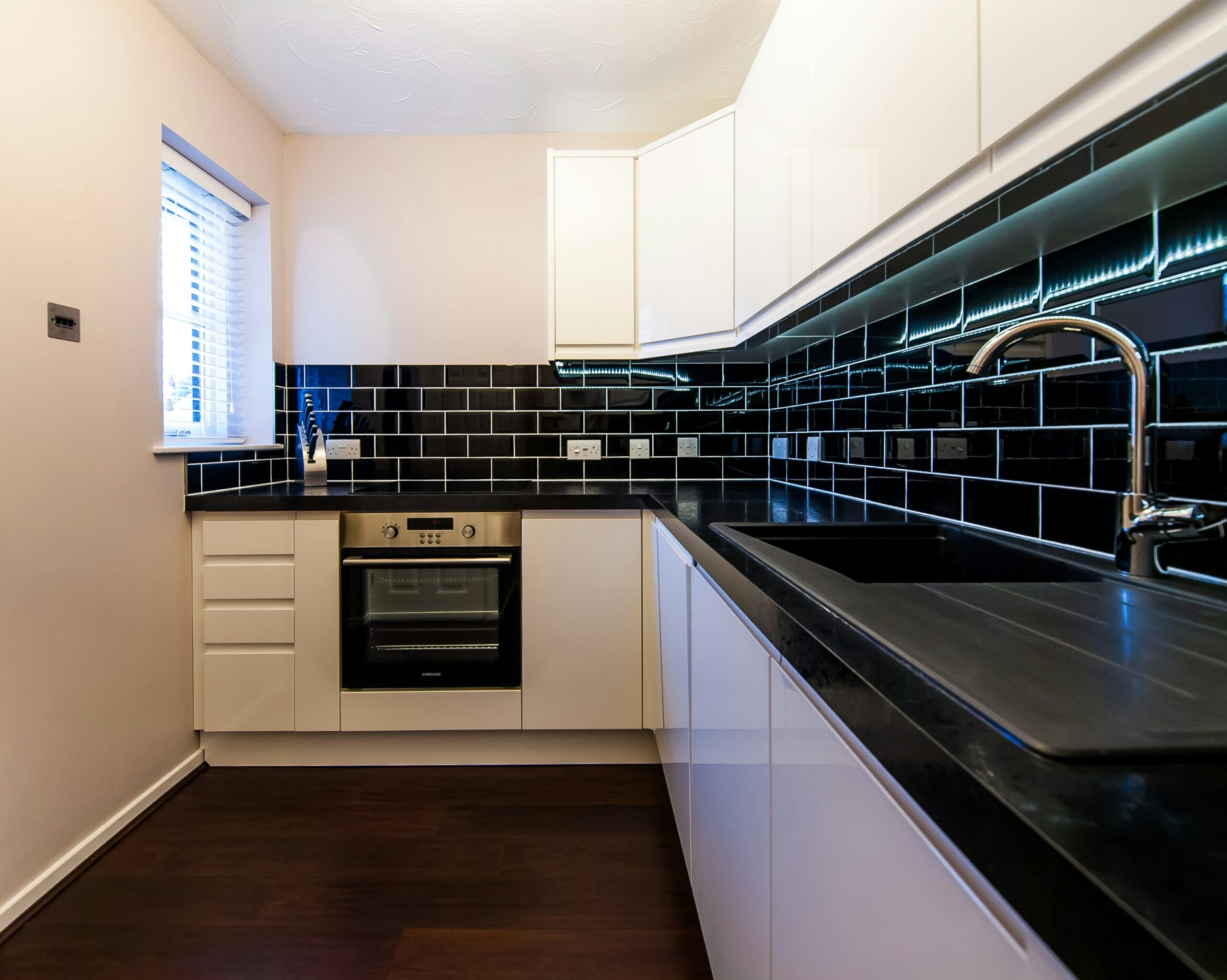
- Pro Tip: If you are nervous about your tile cuts being slightly uneven, choose a grout color that matches the tile. Contrasting grout (like black grout on white tile) highlights every single imperfection. Matching grout hides them.
The Verdict
The “Why” of DIY tiling becomes obvious the moment you step back and wipe the final haze off the tiles. It is durable, it adds massive value to your home, and frankly, looking at a floor and saying “I built that” is a feeling money can’t buy.
Grab your knee pads, take your time, and remember: it’s just a puzzle with heavy pieces.